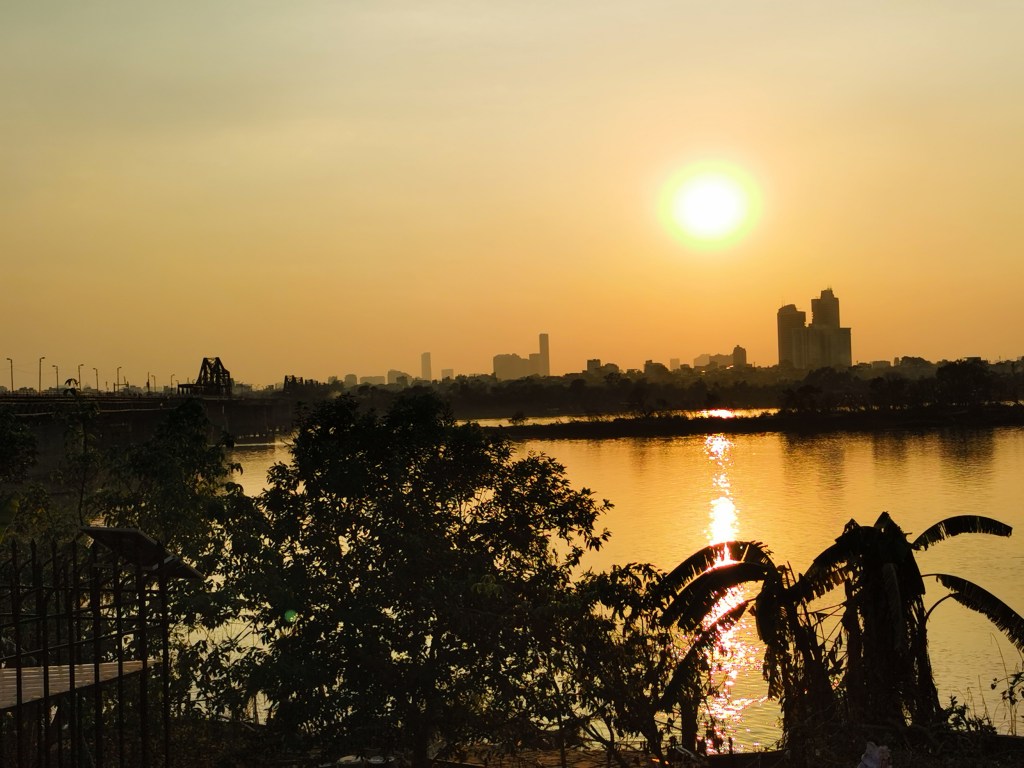
There’s a bridge in Hanoi that rusts and rattles and carries the city’s history in its steel bones.
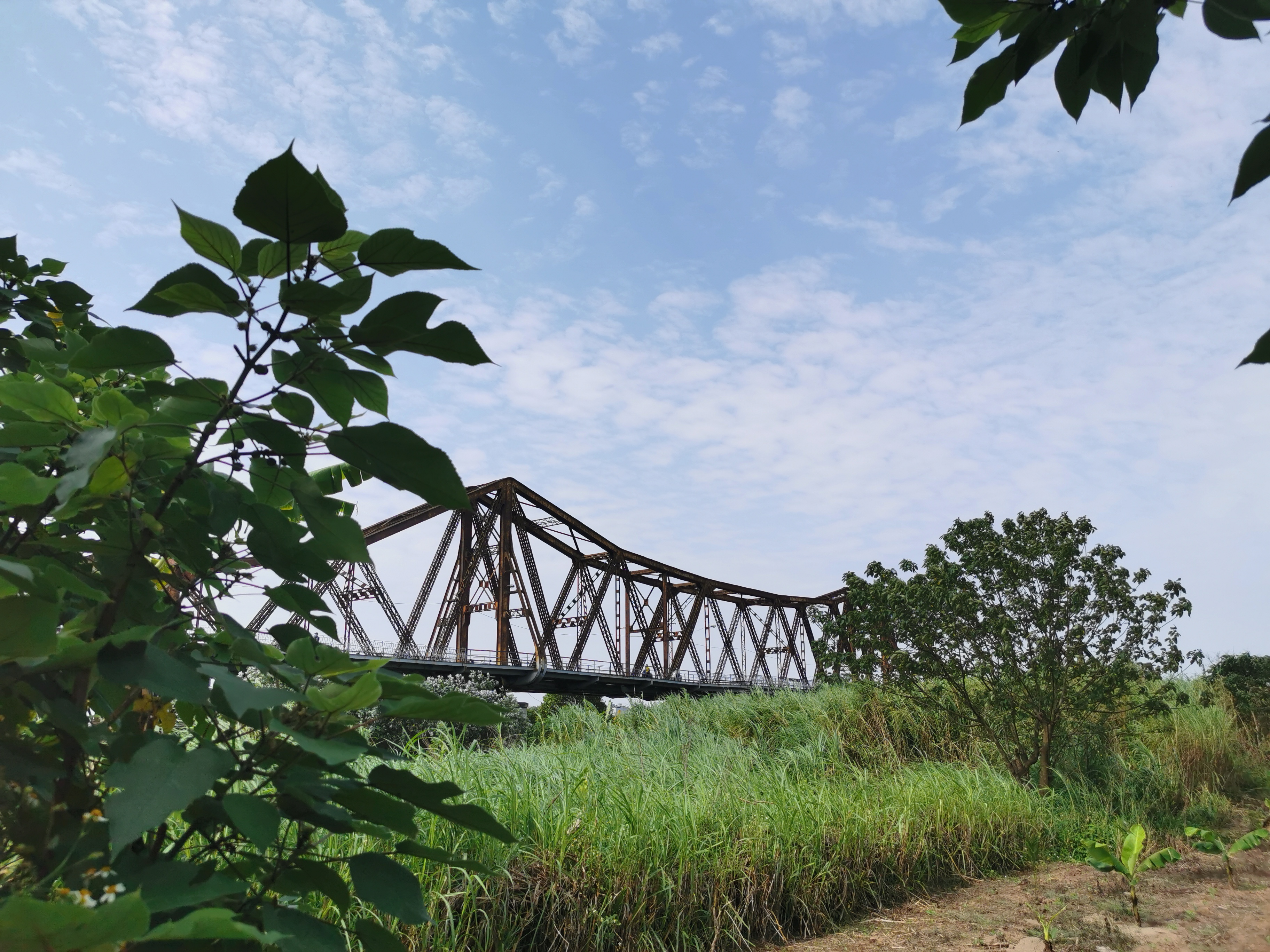
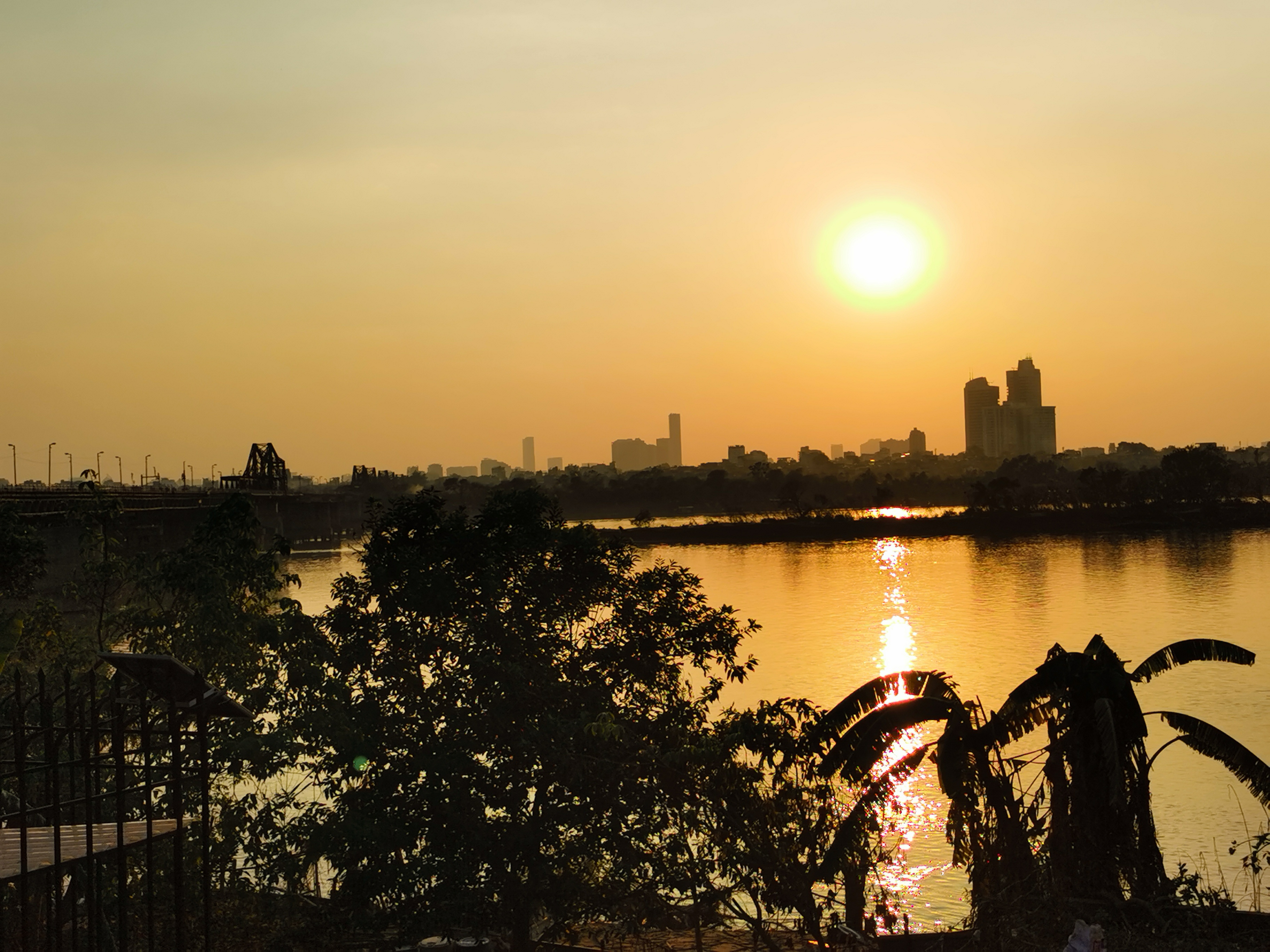
Long Biên isn’t a typically beautiful bridge. But every time I saw it or crossed it, whether on the back of a Grab bike weaving through scooters and delivery drivers, or walking it with a friend while trains rattled through the middle, it pulled me back into the landscape instead of whatever I’d been turning over in my head five minutes earlier. Sometimes that was the city emerging through the morning haze. Sometimes the mountains on a clear day, or the brilliant reds at sunset.
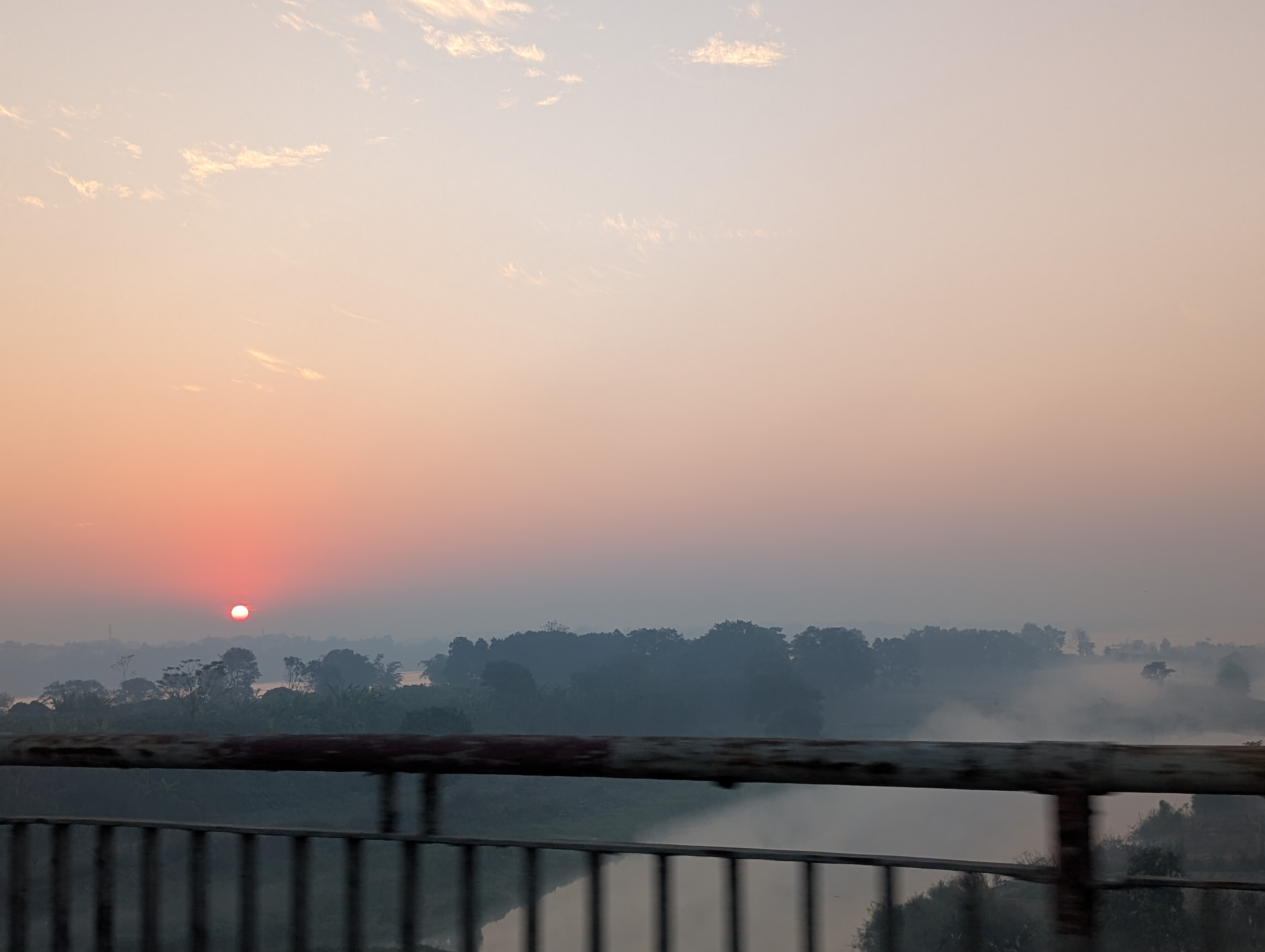
And somewhere in those final months in Hanoi, I started noticing how I orient myself through place.
Geography happened to be the first container that gave this way of seeing a language. Migration. Environment. Systems. Change. The reasons people build where they build. The reasons they leave. Why weather can shape culture. Why some cities seem to carry a particular energy while others feel as though something is being slowly drained out of them. I didn’t choose Geography so much as recognise myself in it. And at 22, I walked through the door it opened.
Teaching Geography meant I could keep learning about the world and be paid for it, which felt almost impossible for someone from a working-class family who wanted to travel but couldn’t quite imagine how a life like that became available to ordinary people.
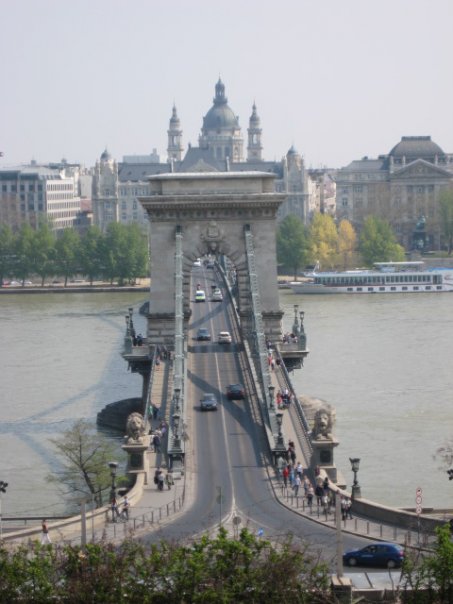
After two years in Bradford, Budapest was first. Crossing the Danube each morning on the way to school, I remember feeling the wonder of someone who had accidentally stepped into a bigger life than I knew how to ask for.
Then Munich. Shanghai. Ho Chi Minh City. Hanoi.
Twenty years and five countries of paying attention to landscapes and the people shaped by them. Physical ones, social ones, organisational ones. What environments reward. What they can quietly punish. What gets normalised. What hardens into received opinion about whole groups of people. What gets left unsaid.
The job gave me institutional permission to stay curious. To keep studying systems and people and place and change. And for twenty years I got to spend my days with young people who were still actively discovering the world instead of assuming they already understood it.
In this liminal space, I think I have been undervaluing how beautiful that was because I have been so busy trying to disentangle myself from the profession.
When you do something for twenty years, especially something so closely tied to how you move through the world, it stops feeling like a job. This year of transition has involved far more identity work than I expected! I think that’s what I’ve been grieving. Not just a role or a routine, but the narrative that leaving teaching meant losing the part of me that teaching gave shape to. Because teaching was never just employment to me. It became the structure around a much older habit: paying attention closely, noticing patterns and reading landscapes, physical, social, organisational, for what they might be whispering.
And somewhere between crossing Long Biên for the last time and leaving Hanoi, I started realising that my way of reading the world had not disappeared with my job title.
The institution has changed. The title has changed. The room I stand in has changed. But it now feels like those were only ever containers. The thing underneath hasn’t disappeared with them.


Leave a Reply