Leadership often demands strength, decisiveness, and self-sacrifice. But as I reflect on 2024, I’ve started to see recurring patterns in my leadership that sometimes conflict with my values. For a long time, I misinterpreted “servant leadership” as suppressing my own needs—a mindset that left me stuck in cycles that didn’t serve me or those I lead. This realisation reminds me of what Ed Haertel calls the “lethal mutation” effect: when ideas, like formative assessment, lose their intent through misapplication (Haertel, as quoted in Brown and Campione, 1996; Wiliam, 2017). It’s a concept that feels personal, as I uncover the patterns, beliefs and behaviours shaping my leadership journey. This reflection has led me to explore recurring patterns, question deeply rooted beliefs, and take deliberate steps to rewrite my leadership script.
Patterns That Keep Me Stuck
Overwork, overcommitment, and striving to meet unspoken expectations have often come at the expense of my well-being. I’ve found myself saying “yes” to tasks to prove my worth or ensure others see my value, even when those tasks don’t align with my goals. Fear of disappointing others or being seen as inadequate has driven many of my decisions, leading to cycles of exhaustion and self-neglect. Leadership, at times, has felt like a performance…hitting all the right cues without questioning if the role truly aligns with who I am.
Recognising these patterns has been an eye-opening and challenging step. They’re not just habit, they’re systems of behaviour I’ve relied on, often unknowingly, to navigate leadership. While these systems have served a purpose in the past, I now see how they limit growth and connection, both for me and my colleagues.
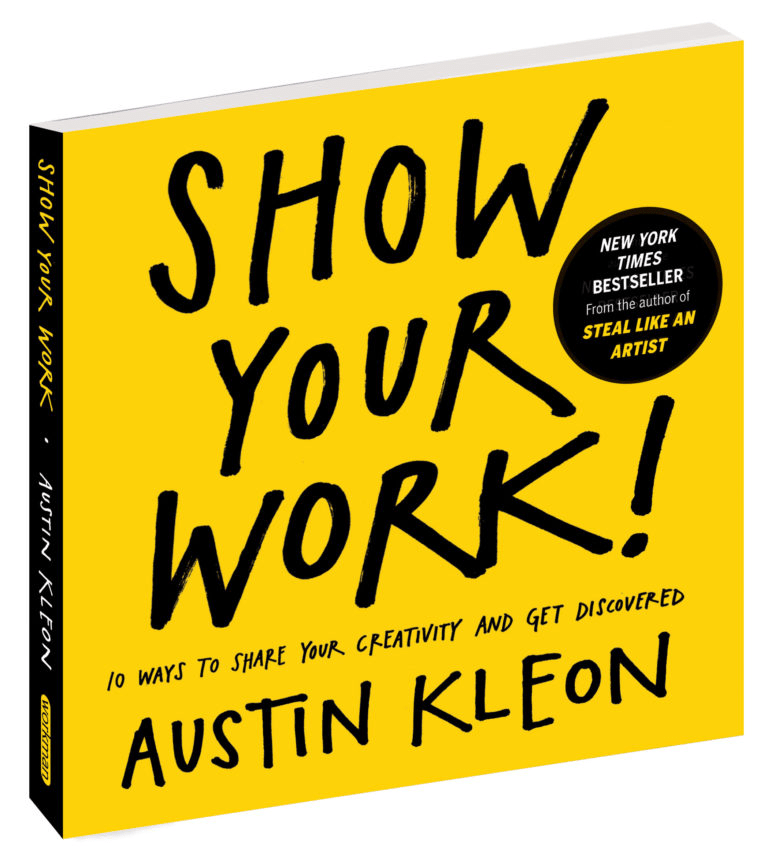
Note: I’ve ummed and ahhed over whether to use the term ‘self-neglect’ here. It feels jarring, maybe even a bit too much. But the fact that it makes me uncomfortable? That’s exactly why I’ve kept it. It’s a sign this is something I need to face. As I was writing, I realised it was my perfectionism sneaking in. A hesitation to share anything until it feels polished or ‘done.’ Austin Kleon’s book came to mind, and I’m choosing to use his insights and see this as one of my scraps: a messy fragment of progress and a step toward meaningful change.
Beliefs Behind the Patterns
At the heart of these behaviours are deeply rooted beliefs about what leadership should look like. For years, I equated good leadership with self-sacrifice, always being available, and appearing strong in the face of adversity. These beliefs were shaped by life experiences that rewarded overcommitment and discouraged vulnerability: a major crossover with my personal and childhood experiences. While this is a bigger story for another day, acknowledging it here helps me see how deeply these patterns are rooted and why unlearning them is both challenging and necessary.
Yet, these same beliefs have often trapped me in a cycle of overwork and isolation. They’ve made it difficult to prioritise my own needs or create space for reflection. I’ve come to understand that effective leadership means recognising when sacrifice becomes self-neglect. It’s about striving for balance, leaning into authenticity, and ensuring that my actions align with my values in ways that are supportive.
This process of unearthing beliefs has given me the opportunity to reflect on how these mental models have supported me in navigating challenges, while also recognising where they may no longer align with the leader I want to be. By questioning these beliefs, I’m creating space to adapt and grow in ways that better serve both myself and those I lead.
Breaking and Rebuilding
Breaking these patterns requires deliberate practice and a willingness to embrace discomfort. For me, this means embedding self-care into my daily routines, setting boundaries, and questioning fear-driven decisions. It also means continuing my work on reframing vulnerability as a strength: the deliberate practise of the past 18 months that colleagues have told me has helped them in their own leadership journeys.
One of the most significant shifts has been moving from abstract principles to lived experiences. For example, prioritising rest is no longer just an idea, it’s a step I’ve started to take, though it remains work I need to continue and practise. Respecting boundaries is something I’ve begun to explore, allowing moments for reflection and realignment, while sharing my challenges has highlighted the deeper trust and connection I’m building within my community.
These are still forming as habits. They represent my next deliberate steps…the hard work and the messy middle of transitioning from ingrained behaviours to intentional leadership practices. This new approach honours my values and gives me a direction that feels sustainable and fulfilling. It’s about rewriting the script with curiosity and compassion, recognising that growth requires patience and persistence as I let go of patterns that have outlived their purpose.
Looking Ahead
This journey to aligned leadership isn’t linear, much like my students’ learning journeys, it unfolds through small, intentional steps and continuous reflection. It involves small, intentional steps: creating space for rest, challenging self-doubt, and practising self-compassion (Kleon, 2014). Most importantly, it’s about recognising the patterns and beliefs that keep me stuck and taking deliberate action to break free.
Leadership is about growth—for myself and those I lead. By disrupting unhelpful cycles and reshaping my approach, I am building a model of leadership that feels authentic, intentional, and sustainable. What patterns and beliefs are shaping your leadership? And how might you begin to break the ones that no longer serve you?

References
Brown, A. L., & Campione, J. C. (1996). Psychological theory and the design of innovative learning environments: On procedures, principles, and systems. In L. Schauble & R. Glaser (Eds.), Innovations in learning: New environments for education (pp. 289-325). Mahwah, NJ: Lawrence Erlbaum Associates.
Kleon, A. (2014). Show Your Work! New York: Workman Publishing Company.
Wiliam, D. (2017). Embedded formative assessment. Bloomington: Solution Tree Press.
 Gemma Archer
Leave a comment